
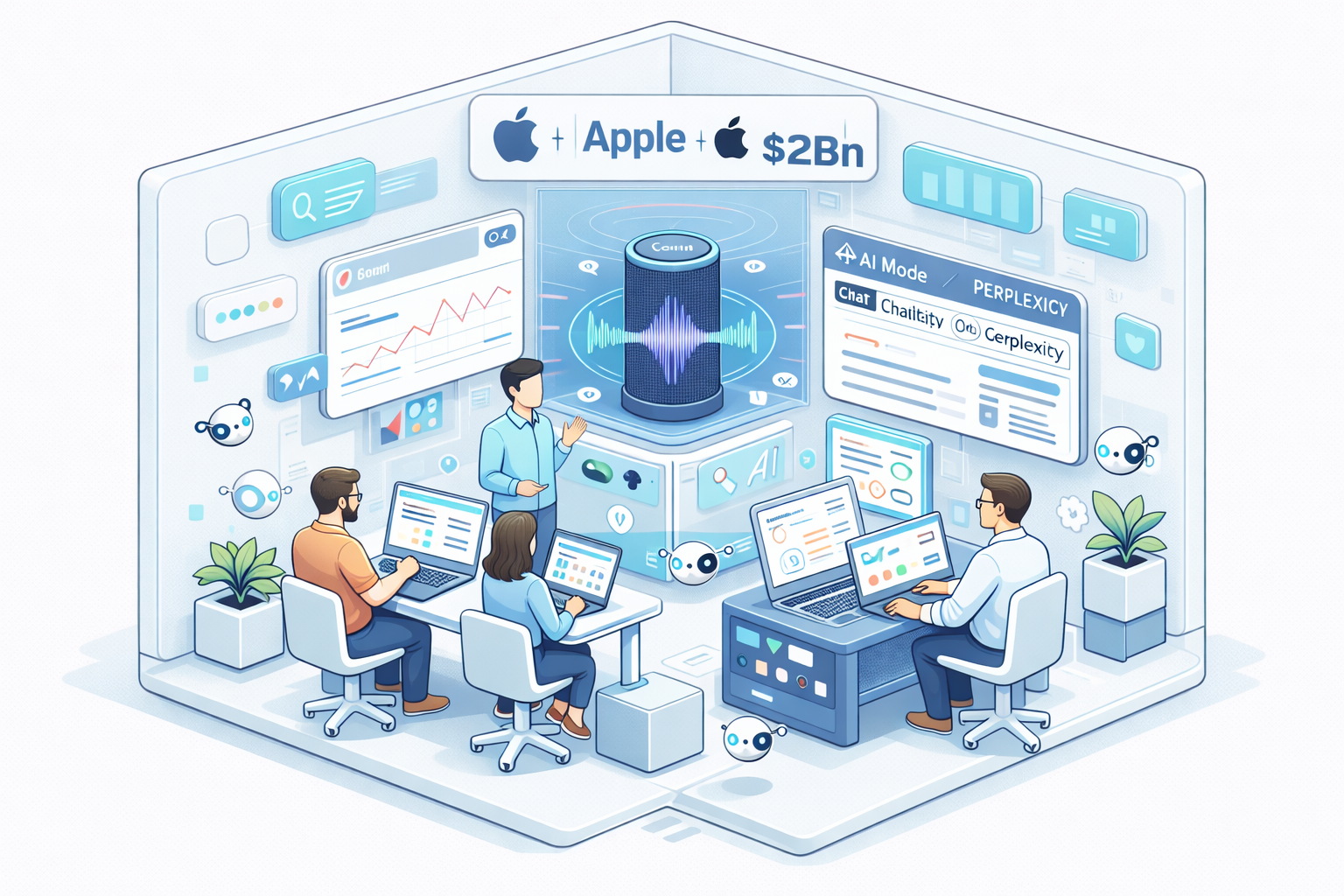
Voice Search Isn’t Dead: Apple Just Bought Q.AI for $2Bn
Voice search is not declining, it is evolving. Apple’s latest move into audio-AI and real-time voice intelligence signals a shift back toward spoken queries, driven by in-car assistants, wearables, AirPods, and ambient computing. As AI becomes conversational, brands must optimise for short, spoken answers, entity clarity, and privacy-aware voice experiences across Siri, AI assistants, and voice-first interfaces.
Explore how Apple’s audio-AI strategy reshapes voice search, why classic SEO alone is no longer sufficient, and how marketers should adapt content for answer engines, live voice environments, and AI-generated responses. From structured data for spoken Q&A to measuring brand mentions versus citations in voice-first surfaces, it outlines a practical framework for optimising content where typing is optional and answers are immediate.
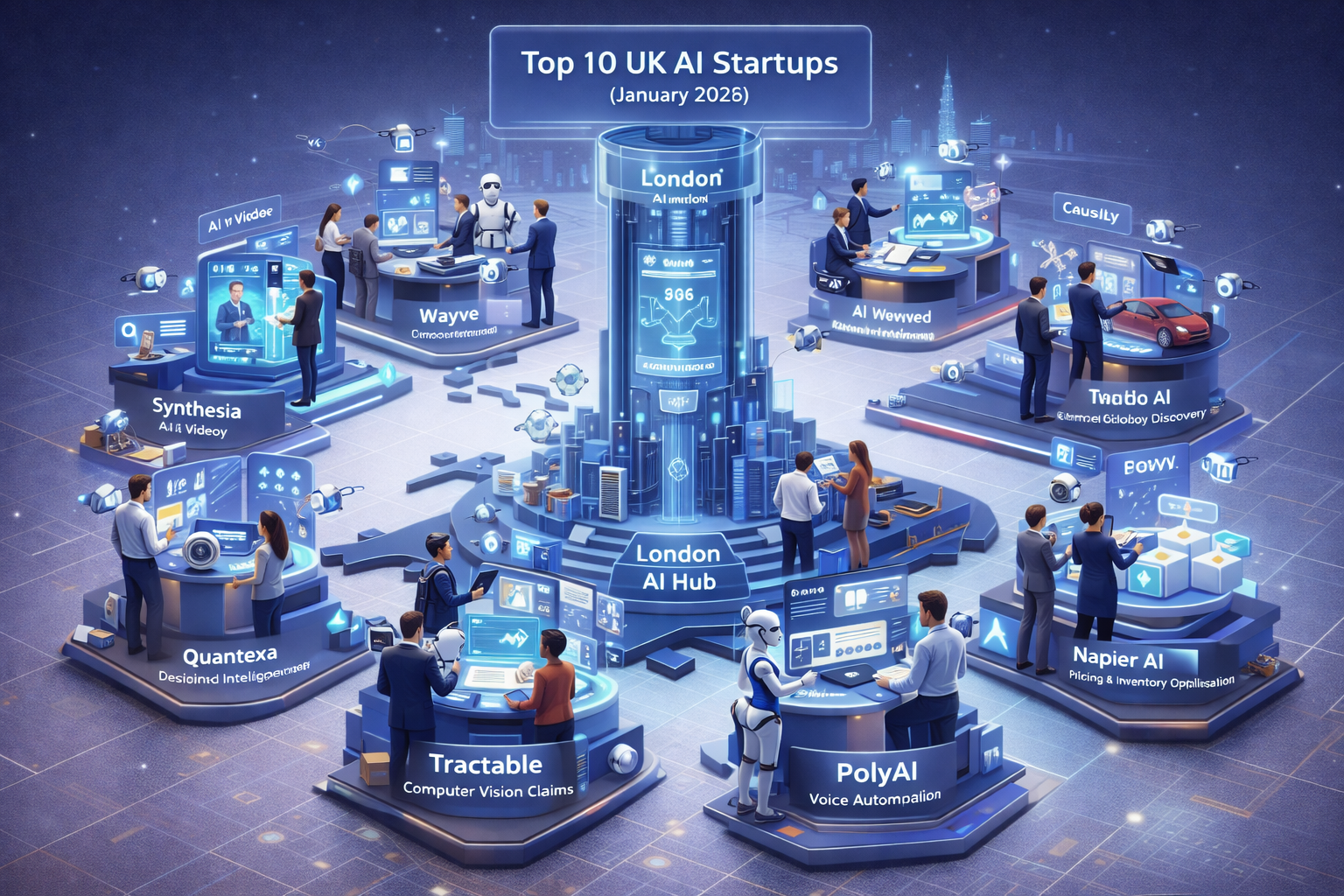
Top 10 AI Startups in UK - January 2026
AI investment in the UK is accelerating again, and Synthesia’s confirmed $200m Series E at a $4bn valuation is a clear signal that enterprise-first AI scaleups are setting new benchmarks. This January 2026 guide ranks 10 leading UK AI startups, from Wayve and Quantexa to Tractable and Causaly, using an accuracy-first lens: measurable outcomes, governance, distribution, and unit economics.
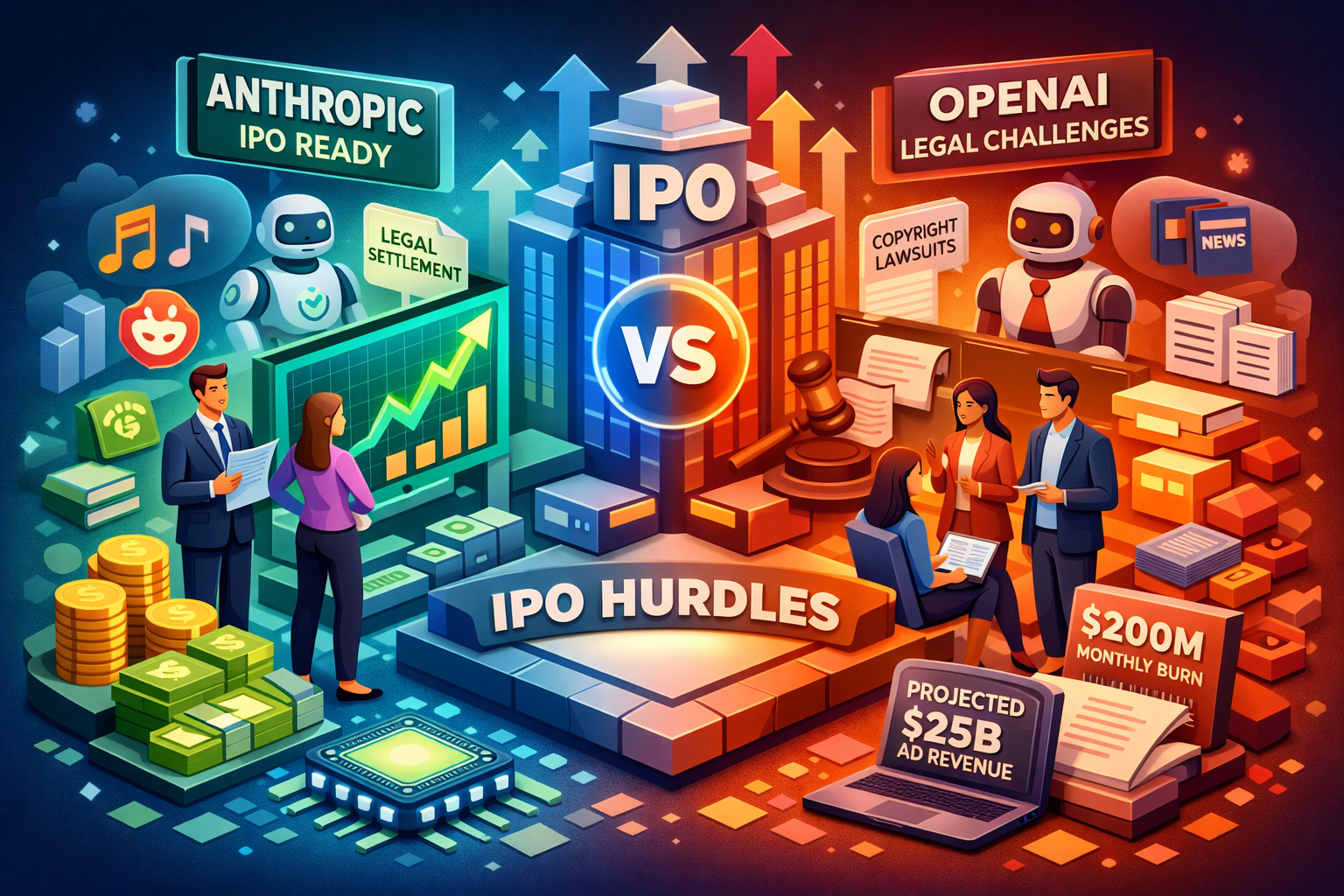
OpenAI IPO Hurdles vs Anthropic
As OpenAI and Anthropic move closer to potential IPOs, copyright litigation, regulatory scrutiny, and cashflow sustainability are emerging as decisive investor risks. This in-depth analysis examines why Anthropic appears more IPO-ready than OpenAI, how unresolved copyright lawsuits could delay listings beyond 2026, and how OpenAI’s projected $25bn advertising revenue by 2030 reshapes its financial outlook.
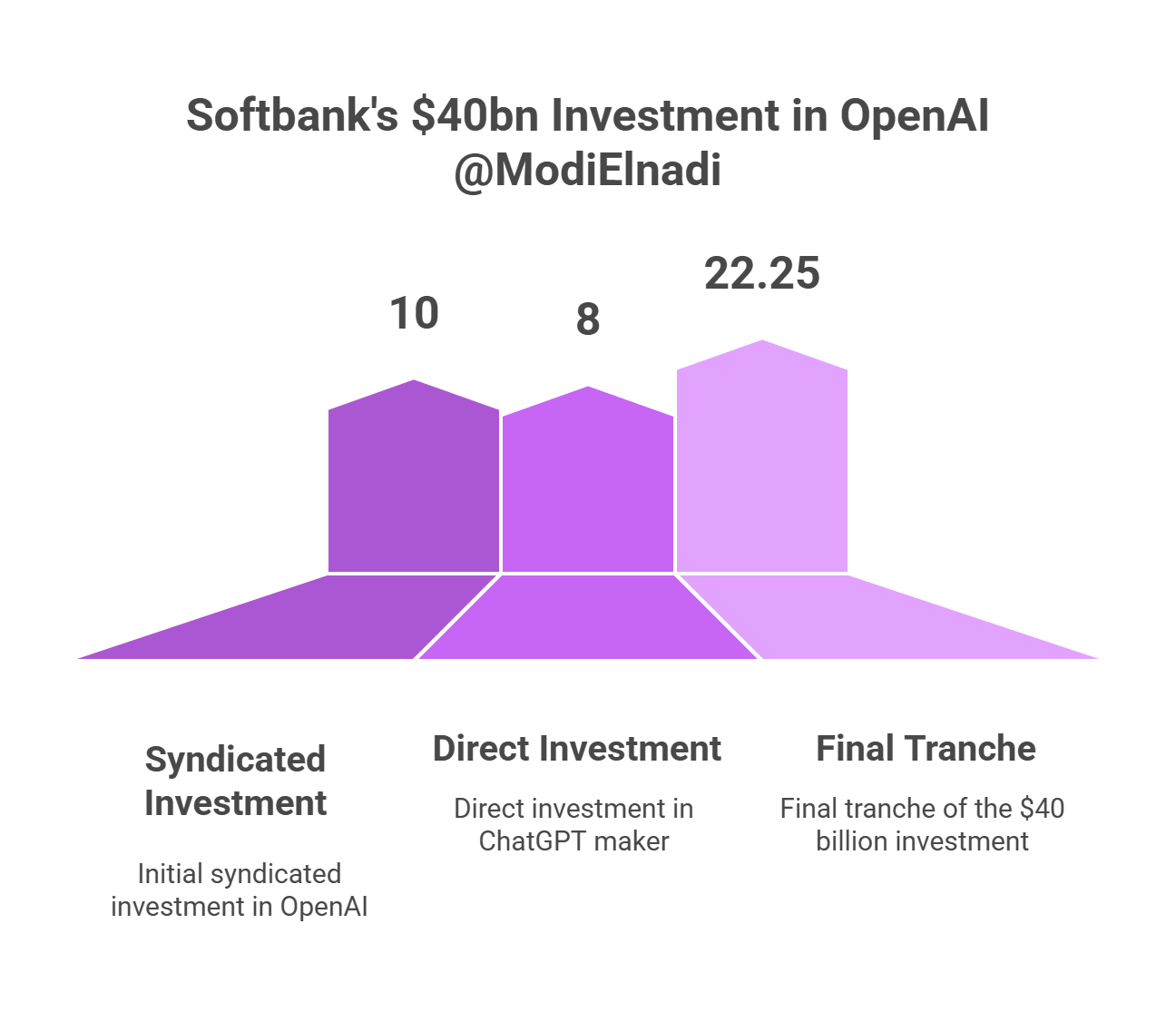
SoftBank Invests $40B in OpenAI: What This Means for AI Agents, Stargate, and Meta–Manus
SoftBank has reportedly completed its full $40 billion funding commitment to OpenAI, removing a major financing uncertainty and accelerating the infrastructure race behind Stargate. The move reinforces OpenAI’s compute advantage just as AI agents shift from demos to real workflows across enterprise and consumer products. For marketers and tech leaders, the signal is clear: platform winners will combine reliable inference capacity with distribution. It also raises the strategic stakes for Meta’s Manus acquisition.

Meta Acquires Manus AI: How This Change Will Affect ChatGPT 5.2 & Gemini
Meta acquires Manus. Here’s the 2026 impact on AI agents: ChatGPT 5.2 vs Gemini, Workspace Studio in Gmail, Meta AI glasses use cases, plus China-risk for enterprise.
A deep, practical POV on Meta + Manus: why execution layers matter, how Gemini’s Gmail agents compete, and what China-risk means for enterprise adoption in 2026.
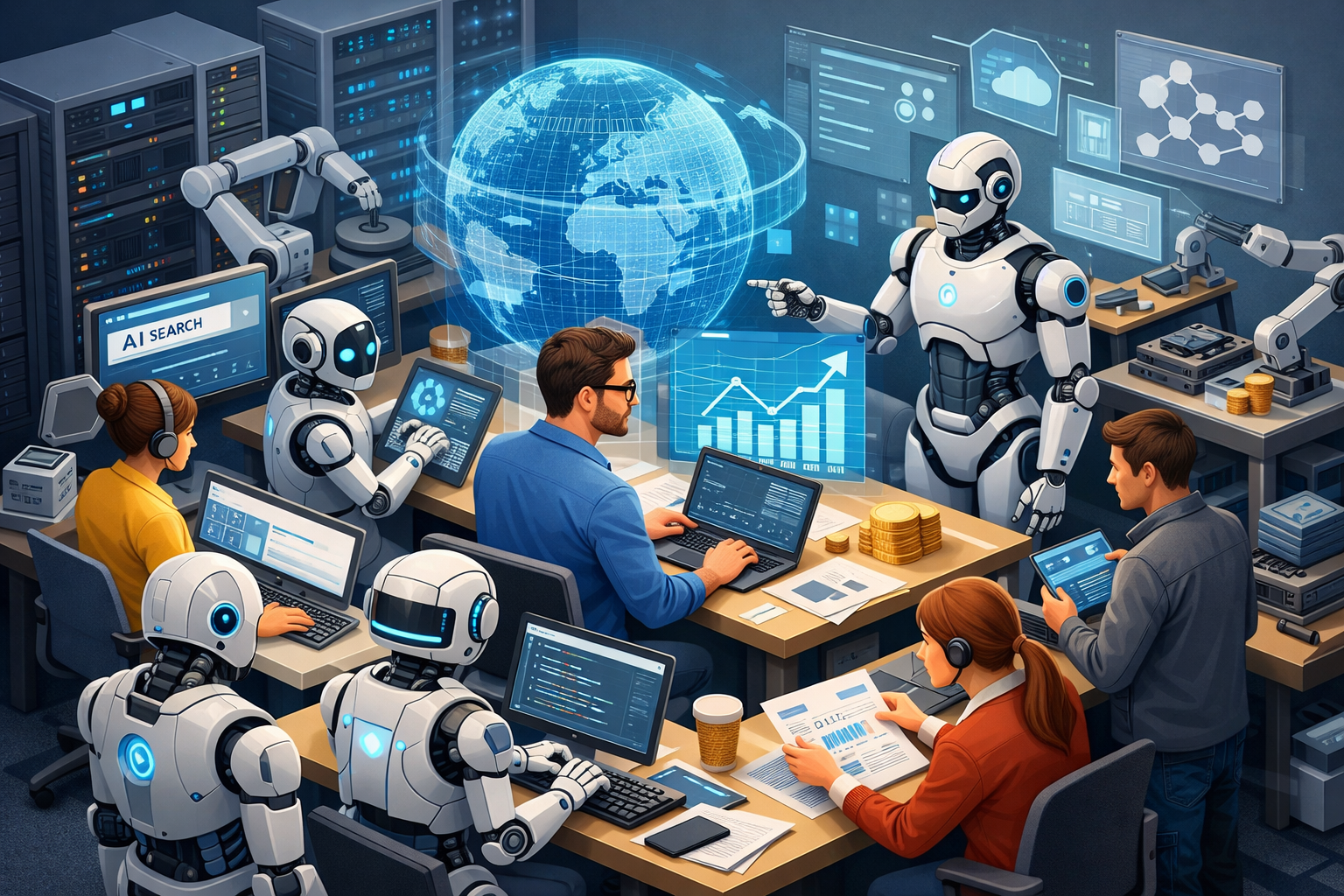
Is the AI Bubble About to Pop? Insights on the AI Bubble Prediction for 2026
Is there really an AI bubble, or are we witnessing one of the largest economic transformations since the internet? In 2025, fears of an AI bubble are growing as investment in artificial intelligence, data centres, and advanced chips accelerates at record speed. Yet the data tells a different story. With ChatGPT reaching around 800 million weekly users, OpenAI generating over $10 billion in annual recurring revenue, and businesses steadily increasing AI adoption, artificial intelligence is no longer experimental—it is operational. This article examines the real pressure points behind the “AI bubble” narrative, including market concentration, infrastructure costs, energy demand, and enterprise ROI concerns. More importantly, it explains why AI is best understood as a long-term automation engine that shifts revenue, boosts productivity, and expands economic capacity. Rather than a speculative bubble, AI represents a foundational re-platforming of work, search, marketing, and decision-making across the global economy.

New Dawn in AI Safety: OpenAI Co-Founder Ilya Sutskever's Startup SSI Raises $1 Billion to Secure the Future of AI
🚀#AISafety! OpenAI's co-founder Ilya Sutskever launches #SSI with a whopping $1B funding! to secure the future of AI. 🌍🔒 A game-changer in making AI safer and aligned with human values. 🤖💡 #AI#EthicalAI#Innovation#FutureTech
#AISafety
#ArtificialIntelligence
#AIResearch
#TechForGood
#MachineLearning
#ResponsibleAI
#AIethics
#FutureOfAI
#AIRegulation