

OpenAI IPO Hurdles vs Anthropic
As OpenAI and Anthropic move closer to potential IPOs, copyright litigation, regulatory scrutiny, and cashflow sustainability are emerging as decisive investor risks. This in-depth analysis examines why Anthropic appears more IPO-ready than OpenAI, how unresolved copyright lawsuits could delay listings beyond 2026, and how OpenAI’s projected $25bn advertising revenue by 2030 reshapes its financial outlook.
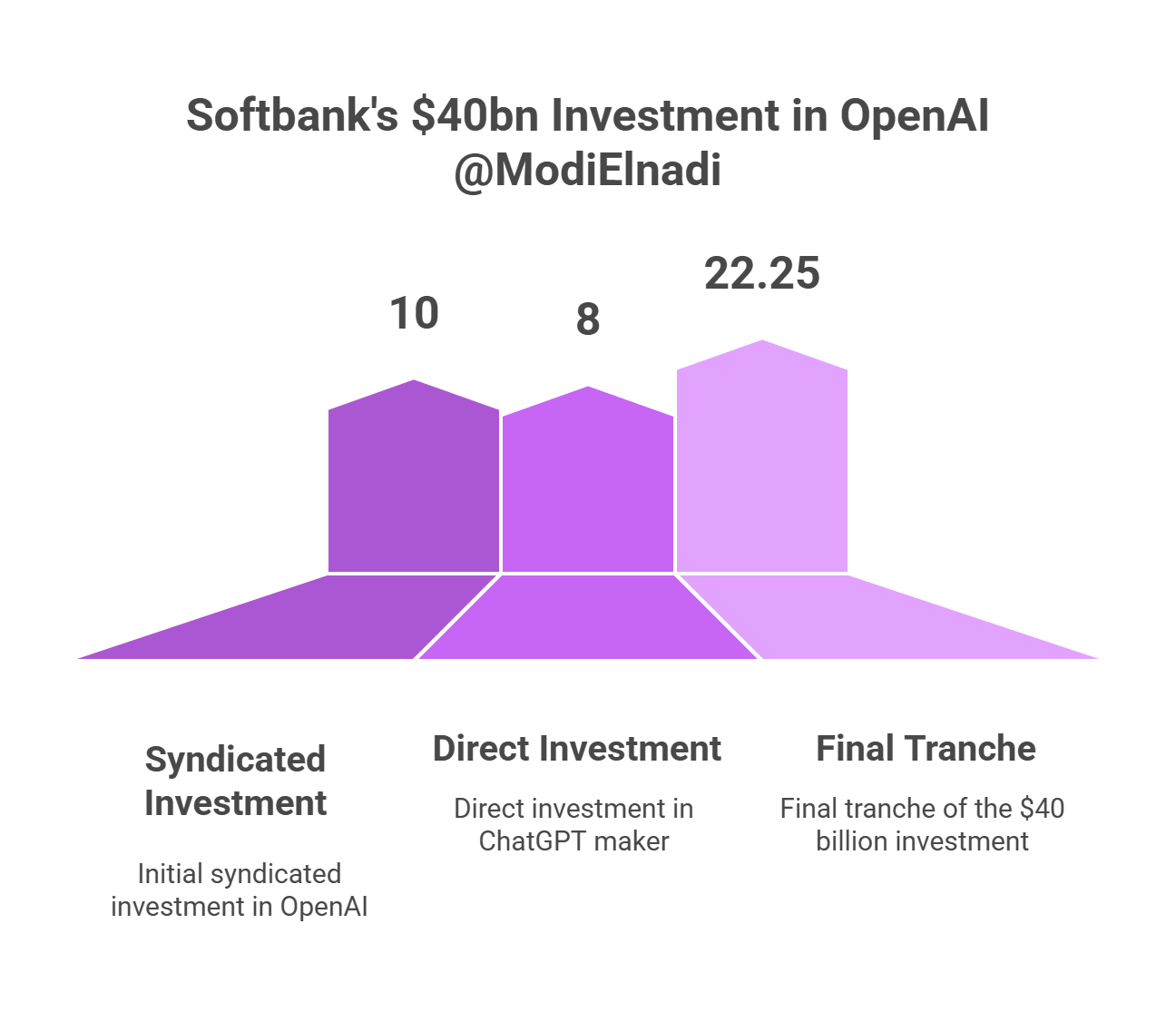
SoftBank Invests $40B in OpenAI: What This Means for AI Agents, Stargate, and Meta–Manus
SoftBank has reportedly completed its full $40 billion funding commitment to OpenAI, removing a major financing uncertainty and accelerating the infrastructure race behind Stargate. The move reinforces OpenAI’s compute advantage just as AI agents shift from demos to real workflows across enterprise and consumer products. For marketers and tech leaders, the signal is clear: platform winners will combine reliable inference capacity with distribution. It also raises the strategic stakes for Meta’s Manus acquisition.

Meta Acquires Manus AI: How This Change Will Affect ChatGPT 5.2 & Gemini
Meta acquires Manus. Here’s the 2026 impact on AI agents: ChatGPT 5.2 vs Gemini, Workspace Studio in Gmail, Meta AI glasses use cases, plus China-risk for enterprise.
A deep, practical POV on Meta + Manus: why execution layers matter, how Gemini’s Gmail agents compete, and what China-risk means for enterprise adoption in 2026.
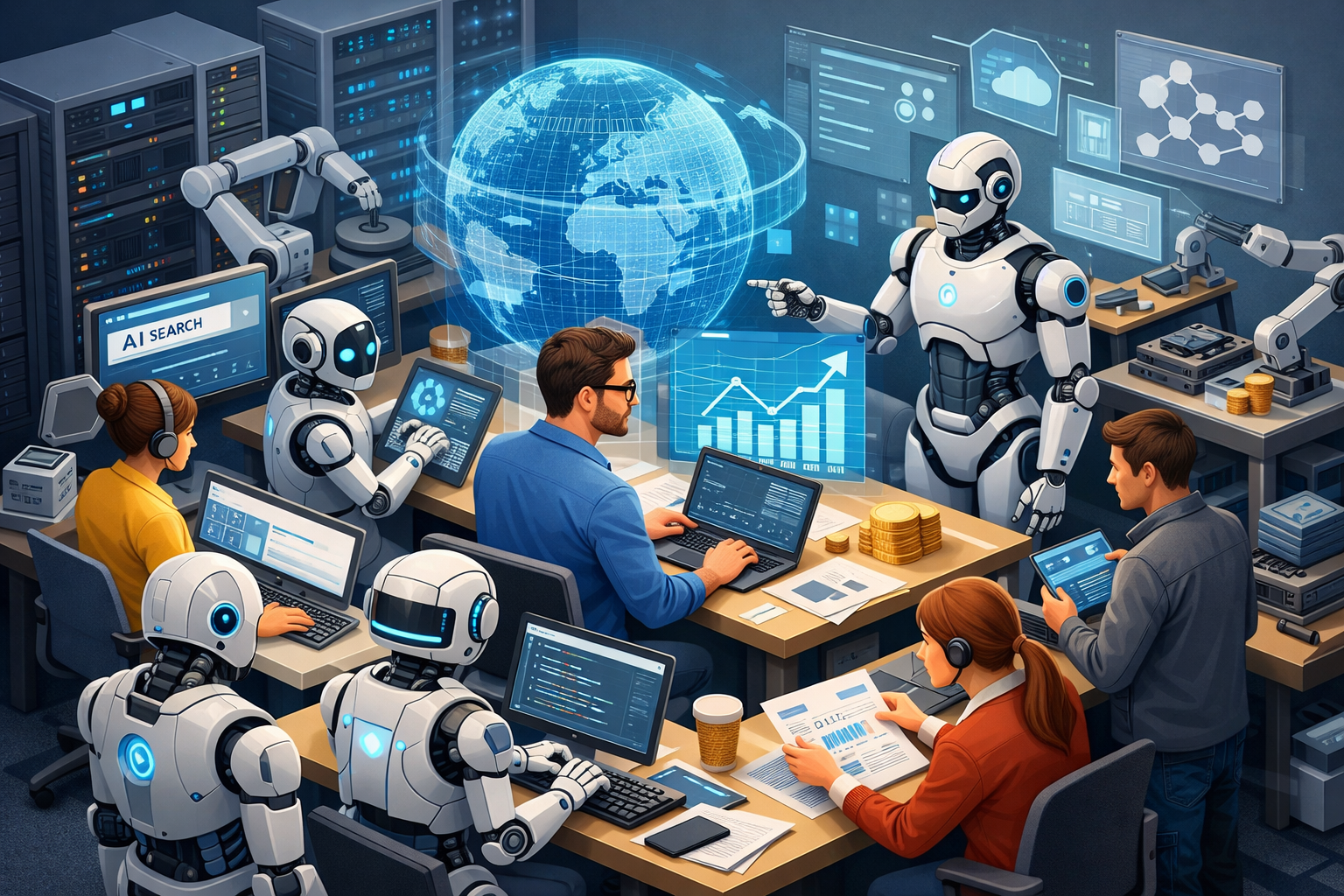
Is the AI Bubble About to Pop? Insights on the AI Bubble Prediction for 2026
Is there really an AI bubble, or are we witnessing one of the largest economic transformations since the internet? In 2025, fears of an AI bubble are growing as investment in artificial intelligence, data centres, and advanced chips accelerates at record speed. Yet the data tells a different story. With ChatGPT reaching around 800 million weekly users, OpenAI generating over $10 billion in annual recurring revenue, and businesses steadily increasing AI adoption, artificial intelligence is no longer experimental—it is operational. This article examines the real pressure points behind the “AI bubble” narrative, including market concentration, infrastructure costs, energy demand, and enterprise ROI concerns. More importantly, it explains why AI is best understood as a long-term automation engine that shifts revenue, boosts productivity, and expands economic capacity. Rather than a speculative bubble, AI represents a foundational re-platforming of work, search, marketing, and decision-making across the global economy.

Latest Drone UAP Incursions in the USA and UK
Unexplained UAP and Drone Sightings Spark Security Concerns in New Jersey and New York
Recent reports of UAPs (Unidentified Aerial Phenomena) and mysterious drones over sensitive locations in New Jersey and New York have raised alarms about potential security threats. These flying objects, often described as large drones with glowing white lights and silent propulsion, have breached restricted airspace near critical military installations like Naval Weapons Station Earle and airports like LaGuardia. Despite efforts by the FBI and military to identify their origin, many of these objects remain unexplained, evading advanced counter-drone systems.
With incidents occurring near other global hotspots like RAF Lakenheath in the UK and Geilenkirchen NATO Air Base in Germany, questions arise about whether these flying objects represent espionage drones, adversarial technology, or even non-human UAPs. As the debate continues, these events highlight vulnerabilities in airspace security and the urgent need for advanced tracking and mitigation systems. Stay updated as authorities work to unravel the mystery behind these persistent aerial incursions.

Apple's 18.1 AI Features Restricted to the US—What Does It Mean for EU & China?
Discover the growing divide between the US and EU in AI technology deployment, as companies like Apple and OpenAI delay advanced features in Europe due to complex regulations. Explore the impact of GDPR, the Digital Markets Act (DMA), and the repercussions for innovation and consumers. #AI #TechRegulation #DigitalMarketsAct #GDPR #AIInnovation #EuropeVsUS #AppleAI #OpenAI #VoiceTech #Interoperability #TechDivide #FutureOfAI #ArtificialIntelligence

BYD: Chinese EV Automaker Facing EU Tariffs - What's Next?
BYD and other Chinese EV automakers are facing significant challenges due to newly imposed tariffs by the European Union. These tariffs, aimed at ensuring fair competition, are already impacting sales, with some brands experiencing sharp declines. However, Tesla benefits from reduced tariffs, and upcoming changes may offer some relief. As Chinese automakers explore strategies like local production in Europe, the future of their competitiveness in this lucrative market remains uncertain. This article delves into the pros and cons of Chinese EVs in the EU and the potential paths forward for these manufacturers.