Jump to: Quick summary | What did WhatsApp announce? | Which unlimited eSIM would I choose for a week in Japan? | Why does round-the-clock access to AI change the travel decision? | What should I check before flying? | What does this mean for travel and marketing teams? | Sources
By Modi Elnadi | Reporting checked November 28, 2026
WhatsApp has announced that travelers will be able to buy and install a data eSIM without leaving the app, but it has not said where, when or for how much. This report separates what WhatsApp has confirmed from what beta code suggests, then compares the two seven-day Japan plans you can buy today.
Quick summary
- WhatsApp has announced in-app purchase and installation of international travel data eSIMs. It has not published UK launch dates, prices or guaranteed unlimited allowances.
- For a seven-day trip to Japan, Holafly lists unlimited data at US$27.50 and Airalo at US$26.50. The more useful distinction is what happens when you tether a laptop or use several gigabytes in a day.
- My take: access to maps, messages and cloud AI at any hour is becoming a basic travel need. That doesn’t mean everyone needs an unlimited plan.
What did WhatsApp announce?
On November 26, WhatsApp announced that travelers will be able to buy and install an international data eSIM without leaving the app, then keep using WhatsApp on their usual number. It named Jio, Smart Axiata, Smart Communications and Verizon among its partners and said availability would begin in selected countries.
The important word is will. The announcement did not identify the first countries, set a UK release date or publish tariffs. WABetaInfo’s Android beta report describes a purchase flow with fixed and unlimited options, and says the plans are powered by 1Global. That preview is useful evidence of the design, not a promise of unlimited service on your route.
9to5Mac’s November 27 report also covered two separate iPhone beta tests: text messages that can be opened once and a tab bar without text labels. Neither is a condition for buying an eSIM. The bigger travel story is where the purchase happens: in the same conversation app you might open to tell someone you’ve landed.
What is confirmed, reported or still unknown?
| Claim | Status | Where it comes from |
|---|---|---|
| Buy and install a data eSIM inside WhatsApp, keeping your number | Confirmed by WhatsApp | WhatsApp blog, November 26 |
| Jio, Smart Axiata, Smart Communications and Verizon named as partners | Confirmed by WhatsApp | WhatsApp blog, November 26 |
| Rollout begins in selected countries "soon" | Confirmed, no dates | WhatsApp blog, November 26 |
| Fixed and unlimited options; 1Global as the provider | Reported from Android beta code | WABetaInfo |
| UK availability, Japan pricing, hotspot rules, speed limits | Not published | No official source yet |
Which unlimited eSIM would I choose for a week in Japan?
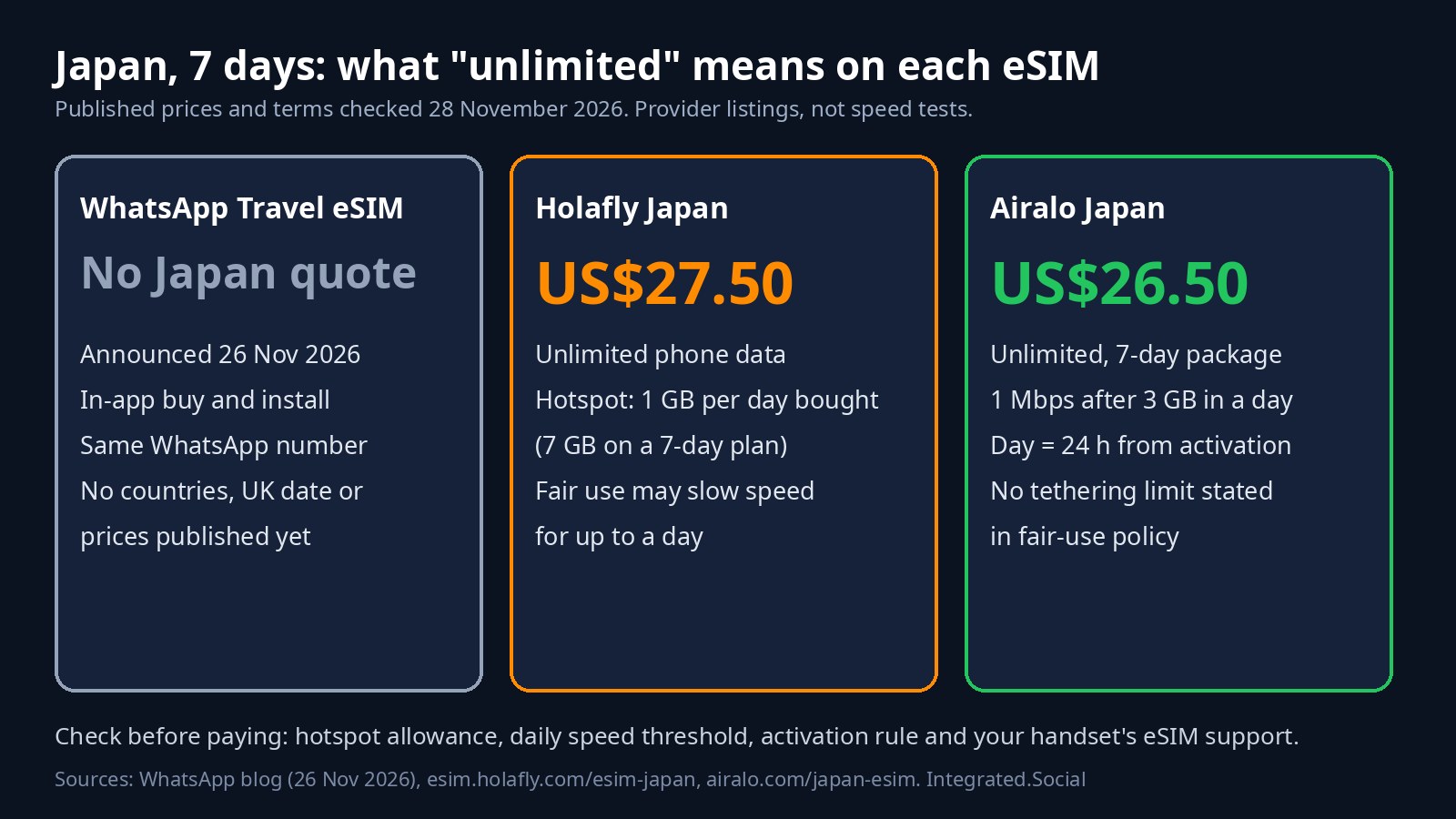
For a UK traveler flying to Japan next week, I’d compare the two plans you can actually buy before deciding whether to wait for WhatsApp. The advertised seven-day prices are a dollar apart. What that dollar buys matters less than whether you need a connection for one phone or a working day on a laptop.
| Option | Japan, seven days | What “unlimited” buys | What I’d check |
|---|---|---|---|
| WhatsApp Travel eSIM | No official Japan quote confirmed | Unlimited appears in a preview; allowance and speed not confirmed for this trip | Look for destination, network, hotspot and total price in your own app before paying |
| Holafly Japan | US$27.50 | Unlimited phone data; local operator fair-use restrictions may temporarily reduce speed | Japan plan lists 1 GB per day of hotspot sharing, so 7 GB over seven days. Don’t assume your laptop gets the same allowance as your phone |
| Airalo Japan | US$26.50 | Seven-day unlimited package lists 1 Mbps after 3 GB used in a day | Its fair-use policy sets no tethering limit and measures each 24-hour period from activation |
Published US-dollar prices checked November 28, 2026, before any checkout discount or card conversion. These are Japan examples, not global tariffs or independent speed tests.
For mostly phone use, Holafly is worth a look if 1 GB of sharing a day is enough. I’d lean toward Airalo if knowing exactly when the speed drops matters more. For daily video calls from a laptop, I’d compare a local high-speed plan as well. And if your UK contract already includes Japan, check what you’ve paid for before buying anything else.
Why does round-the-clock access to AI change the travel decision?
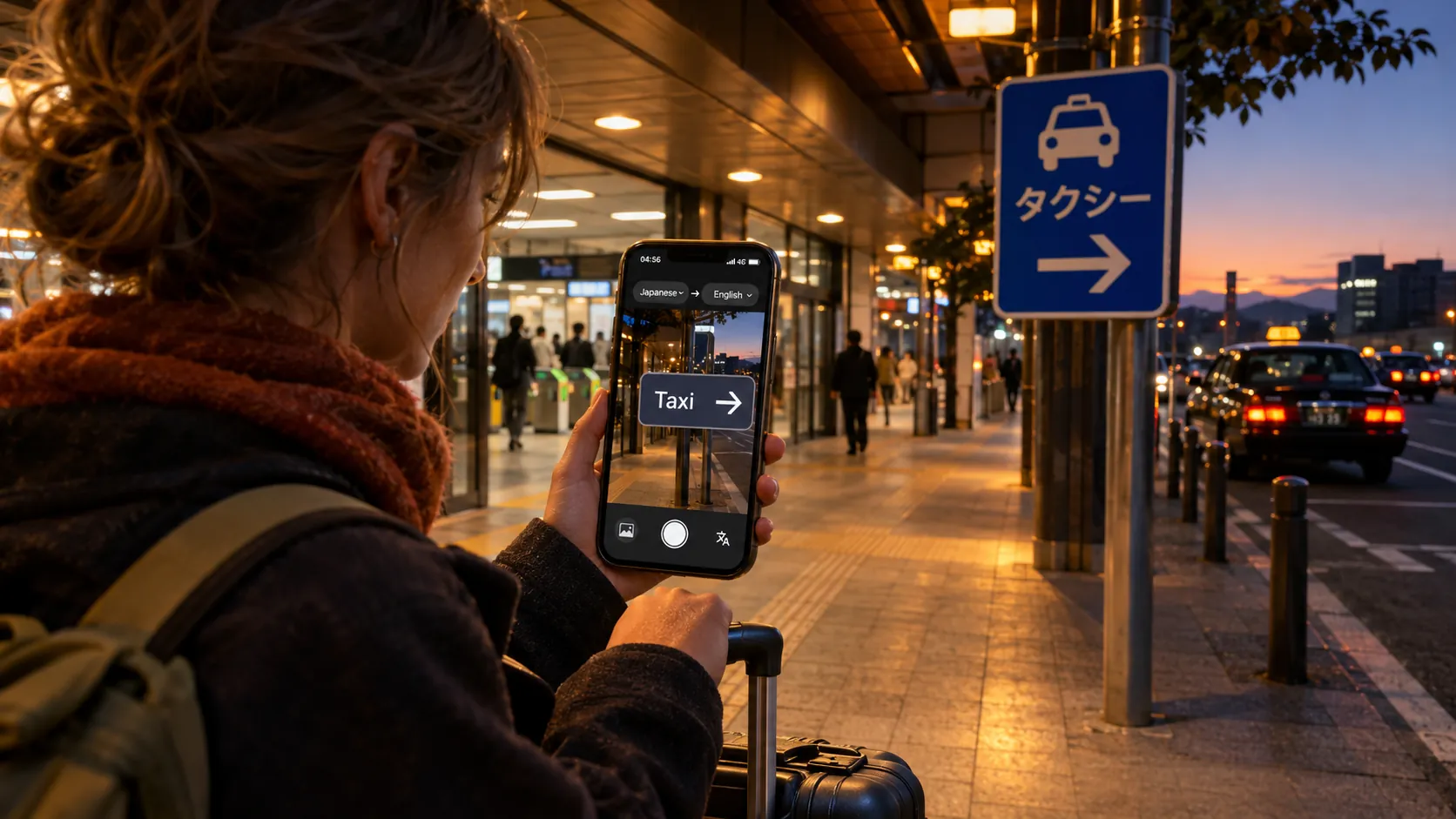
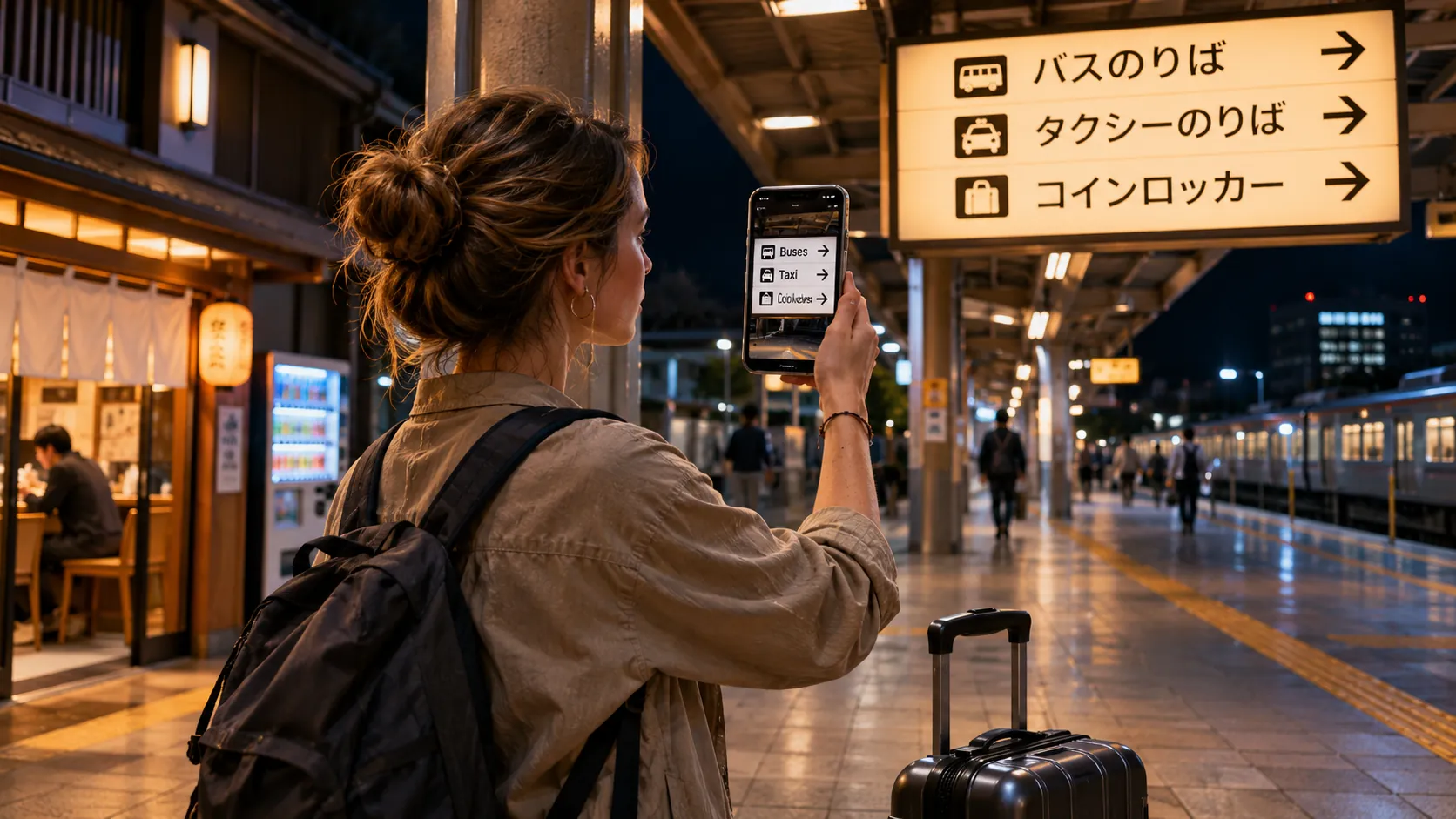
Picture landing in Tokyo late at night. Your hotel has sent the entrance instructions in Japanese. The taxi rank has moved. You want to photograph the sign, translate it and send the driver your location. Nobody needs unlimited gigabytes for that exchange. What you need is a connection that works right then.
That’s why I think of reliable mobile data as a basic travel utility. “24/7” describes when you might need it, not how long you spend looking at a screen. A text question over breakfast and a live voice conversation from a moving taxi make very different demands on a network. A bigger allowance won’t fix a coverage gap. I’d still download the map and save the hotel address before flying.
There’s a marketing consequence too. A traveler who can buy connectivity inside WhatsApp has one less reason to search for an eSIM provider. My view is that specialists will have to earn that extra click with clearer network, speed and hotspot information. It’s the same distribution question I explored in what AI travel assistants mean for Expedia: who gets to shape the shortlist before the traveler opens a comparison site?
What should I check before flying?
Check that your handset supports eSIM and is network-unlocked, then read the activation rule for the exact package. Install over reliable Wi-Fi if the provider recommends it. Set mobile data to the travel line, follow its roaming instructions and disable automatic data switching if you don’t want the phone falling back to your UK plan.
Before you pay, I’d run through four questions. Does the plan name the networks it uses in the country you are visiting? Does the listing state a hotspot allowance, or is it silent? At what daily usage does the speed drop, and when does the day reset? Is the eSIM data only, with no number for calls or SMS? A plan that answers all four in plain language is easier to trust than one that leads with the word unlimited.
What does this mean for travel and marketing teams?
The WhatsApp announcement is a distribution story as much as a connectivity story. Messaging apps are moving from where travelers talk about a trip to where they pay for parts of it. For wider context on WhatsApp’s commerce ambitions, see how Meta is pairing WhatsApp with AI commerce and attribution, and for the buyer-side shift to AI intermediaries, zero-click commerce and B2B AI agents.
For eSIM providers and travel brands, I’d treat three things as testable rather than assumed. First, whether a bundled in-app option reduces searches for named providers. Second, whether clear destination pages, hotspot rules and fair-use terms are being quoted by AI assistants when travelers ask for the best plan. Third, whether your own pages answer the questions above in the first sentence. Providers that publish specific, checkable terms are the ones an assistant can quote accurately.
Sources
- WhatsApp: Stay connected on WhatsApp when you travel (November 26, 2026)
- 9to5Mac: WhatsApp announces travel eSIMs, tests view-once texts and a cleaner interface (November 27, 2026)
- WABetaInfo: WhatsApp is testing built-in eSIM data plans for Android
- Holafly: Japan eSIM
- Airalo: Japan eSIM
- Airalo: Japan 7-day unlimited package
- Airalo: Unlimited data plans fair-use policy
About the Author
Modi Elnadi is the founder of Integrated.Social. He works with B2B and consumer-facing teams on AI market positioning, answer-engine visibility and commercial growth strategy. His approach is evidence-led: separate a company’s announcement from delivered, checkable terms before deciding what to change.