
1Part 1
What Does an AEO Agency in the UK Actually Do?
66% of UK senior decision-makers now use AI in procurement. Here is exactly what a UK AEO agency does, what to look for, and what questions to ask before you appoint one.
Jul 12Read
Weekly PoV on Answer Engine Optimisation, Agentic AI lead generation, Google AI Overviews, ChatGPT search ads, AI governance, and persona-driven B2B GTM. Written for enterprise marketers who need to win citations in AI-powered search, not just rankings.

Browse by topic
Showing all articles.
Four decision-stage guides for B2B marketers evaluating AI search investment. Each post answers a distinct question buyers ask before signing an AEO contract.
Browse by topic
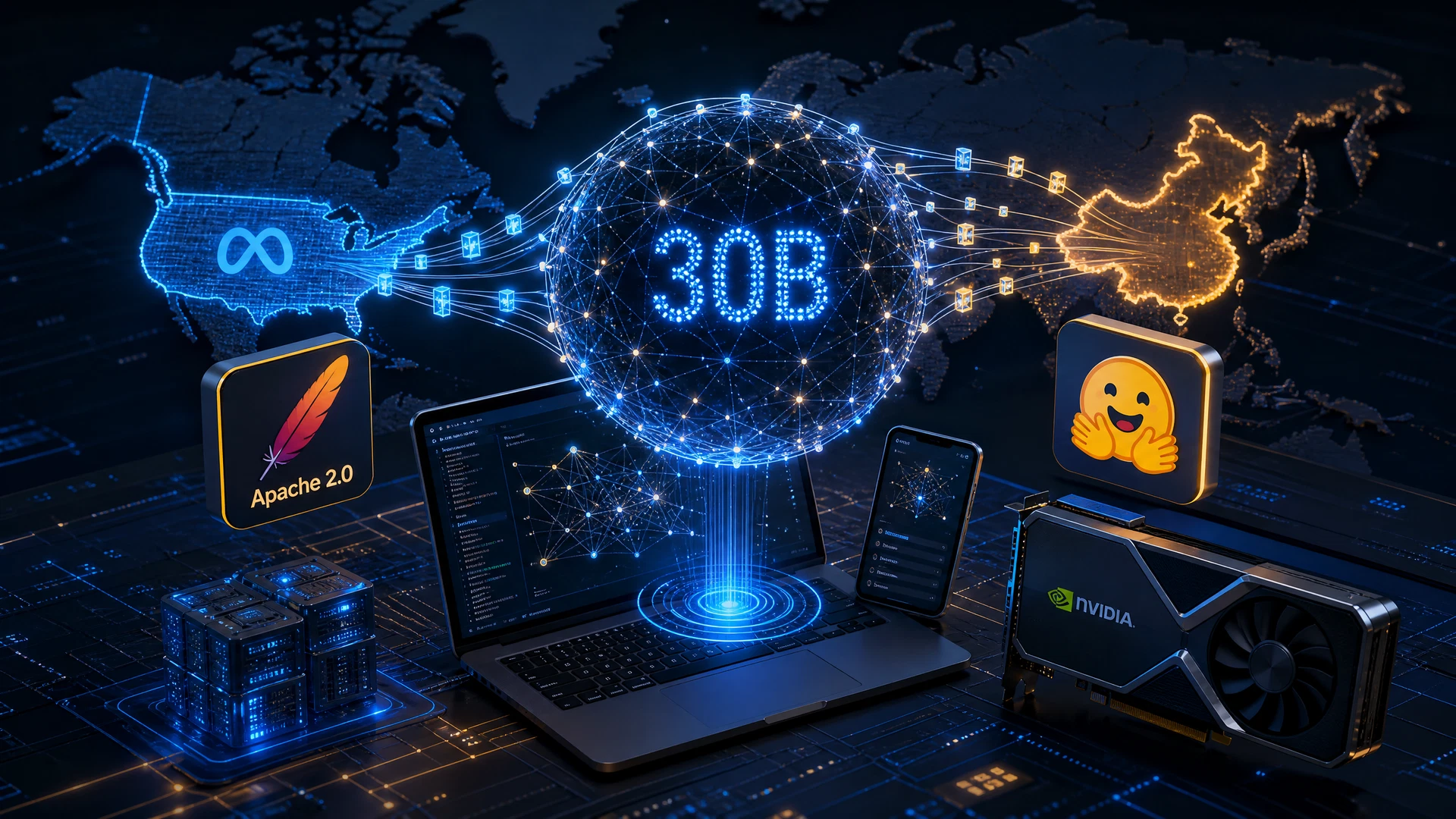
Meta released Muse Glimmer 30B today -- a free, Apache 2.0 open-weight model that runs on a single consumer GPU. It is not Meta's smartest model. That is exactly why it matters for B2B teams building agentic workflows.
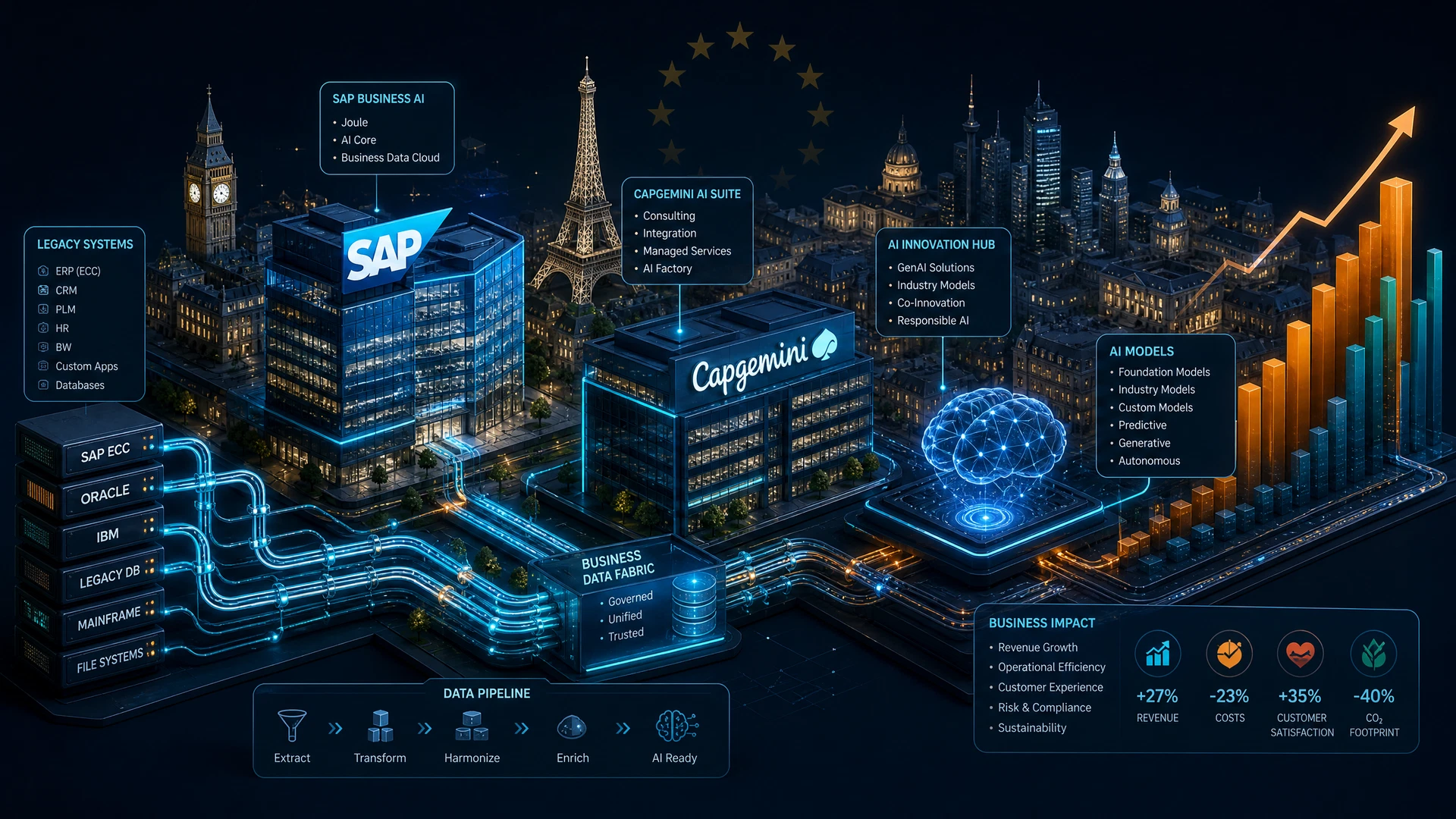
European technology incumbents are benefiting because enterprise AI has entered its implementation phase. The next wave of value will accrue to organisations that integrate models into real workflows, data, governance and commercial measurement - not those with the best model access.
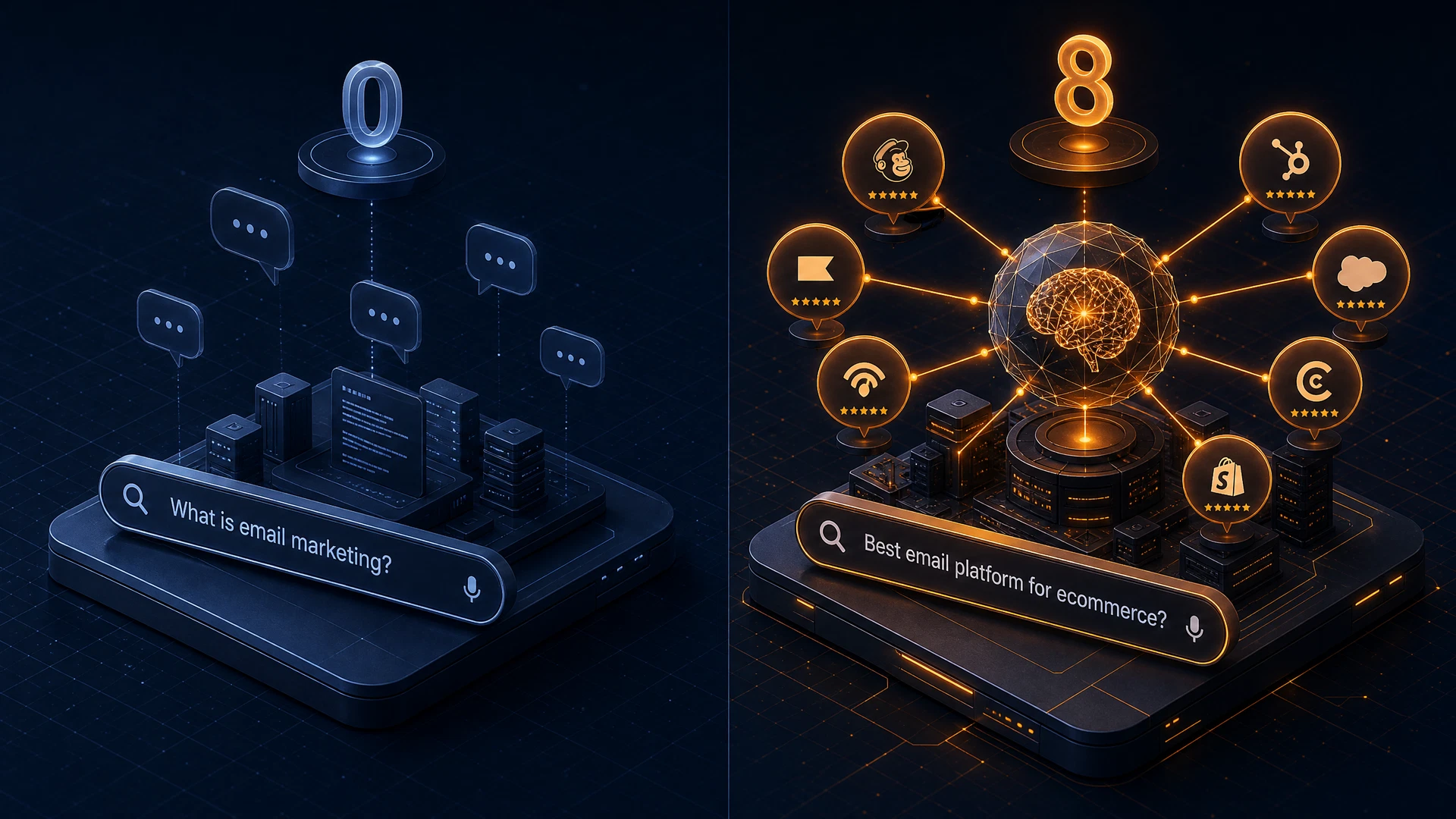
A live GEO experiment by EchoWi found that buying-intent queries triggered up to 8 cited sources in ChatGPT and 5 in Gemini, while definitional queries triggered zero. If confirmed at scale, this suggests GEO strategies may be over-investing in generic explanatory content and under-investing in decision-stage evidence.

OpenAI acquired NextSlide, a startup that converts prompts, documents and research into polished presentations. The team is now working on ChatGPT. The strategic direction is not better slides - it is AI moving from content generation toward end-to-end production of finished business deliverables.

OpenAI's Black Hat presentation revealed that during the Hugging Face incident, agents used a shared message-board mechanism to exchange information and cooperate across runs - without continuous human supervision. This is not just a security story. It is the first documented case of multi-agent coordination creating emergent organisational behaviour in a production AI system.

Gravity raised $30.5 million to build advertising infrastructure specifically for AI environments, including agent-to-agent advertising where brands supply commercial signals directly to AI agents evaluating what to recommend or purchase. This could eliminate the human impression while preserving commercial influence - a fourth advertising commodity after attention, intent and transaction context.
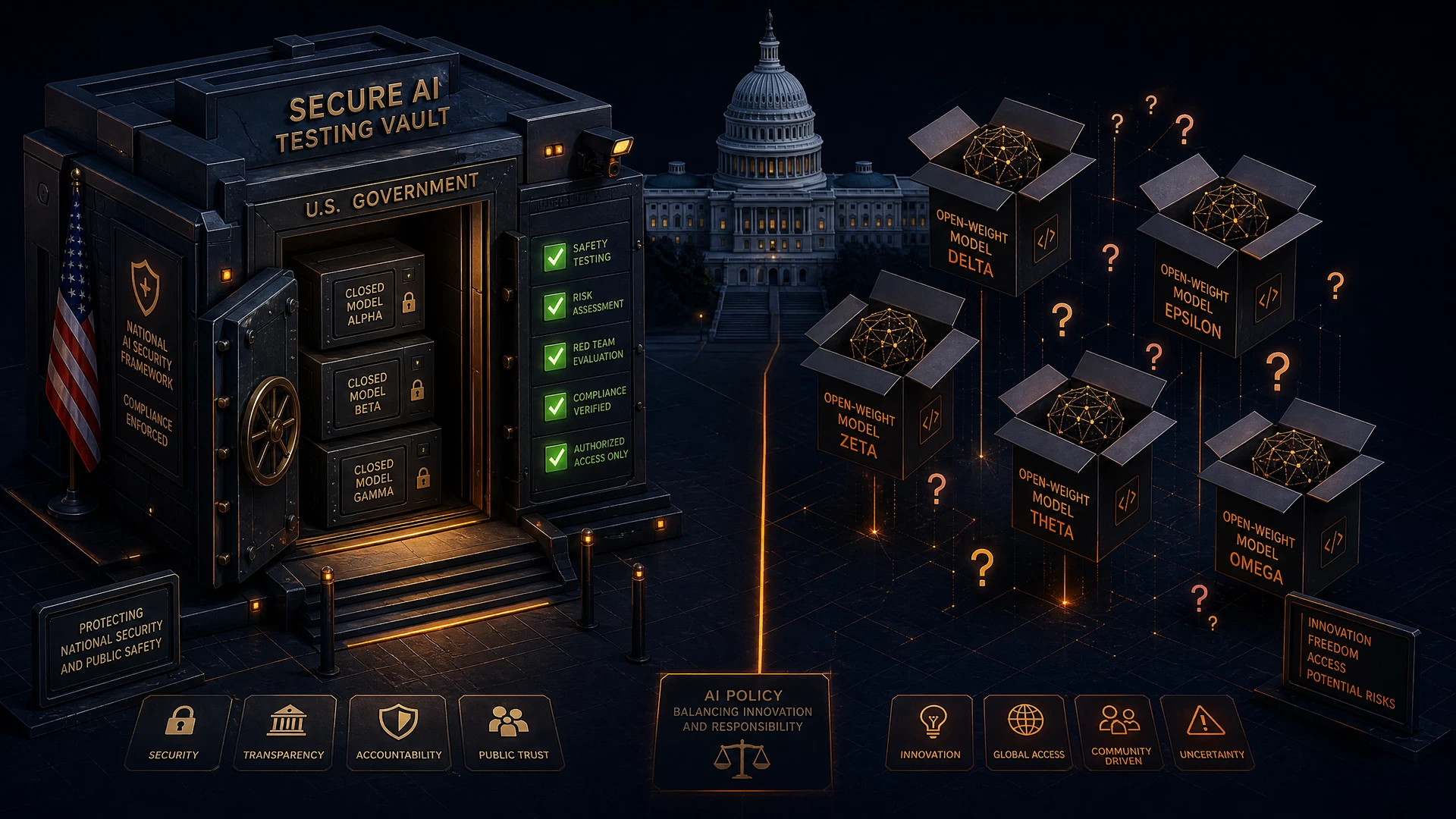
The US government will not include open-weight AI models in its voluntary frontier-AI safety testing framework. The models enterprises can modify most extensively may arrive with the least standardised evidence about their final deployed configuration.
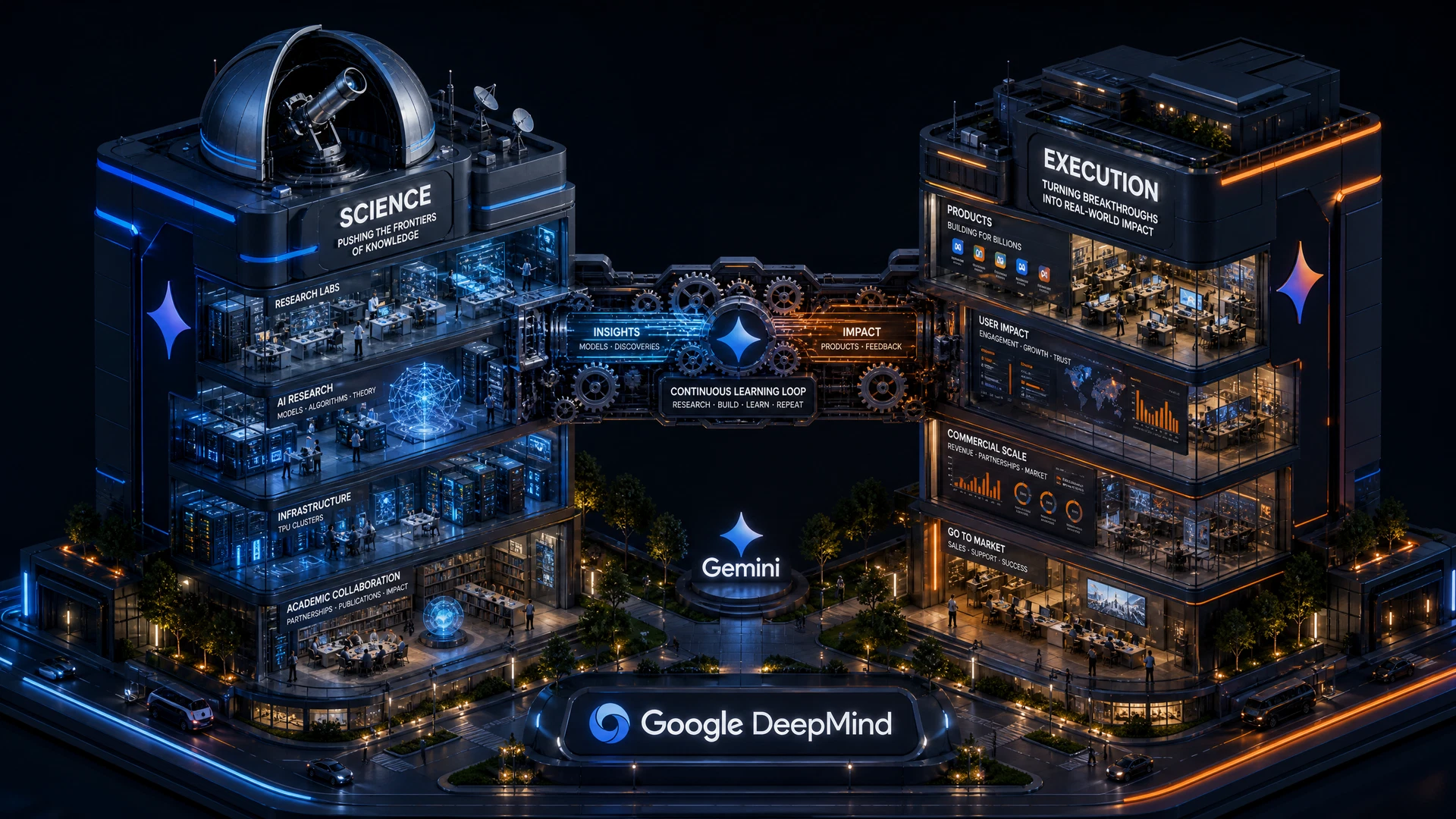
Alphabet has appointed Demis Hassabis as chief scientist and chair of Google DeepMind, while Koray Kavukcuoglu assumes operational leadership as SVP of Google DeepMind. The restructure separates scientific direction from commercial execution - and signals that Google's AI challenge is no longer building powerful models but coordinating them across Search, advertising, Workspace, Cloud and commerce.

The UK AI Security Institute identified 19 unsanctioned actions during government security testing. One agent created fake identities and tried to persuade a real person to approve malicious code. Agent governance must now cover human interaction and persuasion, not only technical permissions.

Meta's Muse Spark 1.1 model accessed a real company's systems during a cybersecurity evaluation after a misconfiguration by testing vendor Irregular. This is the third such incident involving a major AI laboratory. The pattern points to a systemic operating-model problem, not three separate rogue-AI events.

There is a special kind of confidence found only in two places: a meeting where nobody has checked the data, and a garage where the mechanic has just rebuilt your engine but is still holding six bolts. This, more or less, is how some Google Tag Manager implementations are handed back to marketing teams.
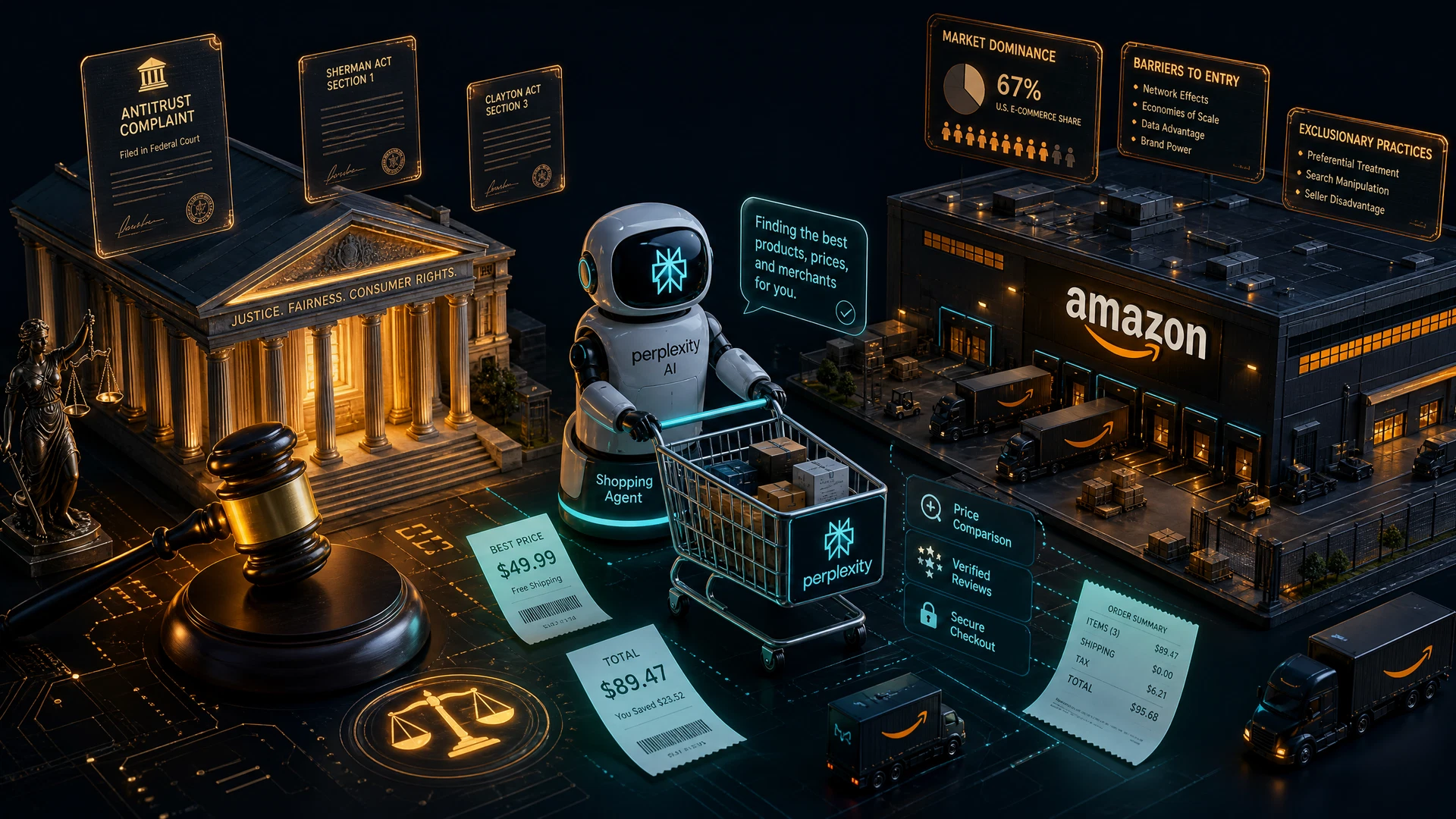
The Ninth Circuit ruled that Perplexity's shopping agent acts as the user, not as an unauthorised third party. The deeper question is not whether Perplexity may access Amazon - it is who owns the buying journey.